Why Your Tire Pressure Warning Light Comes On in Hamilton
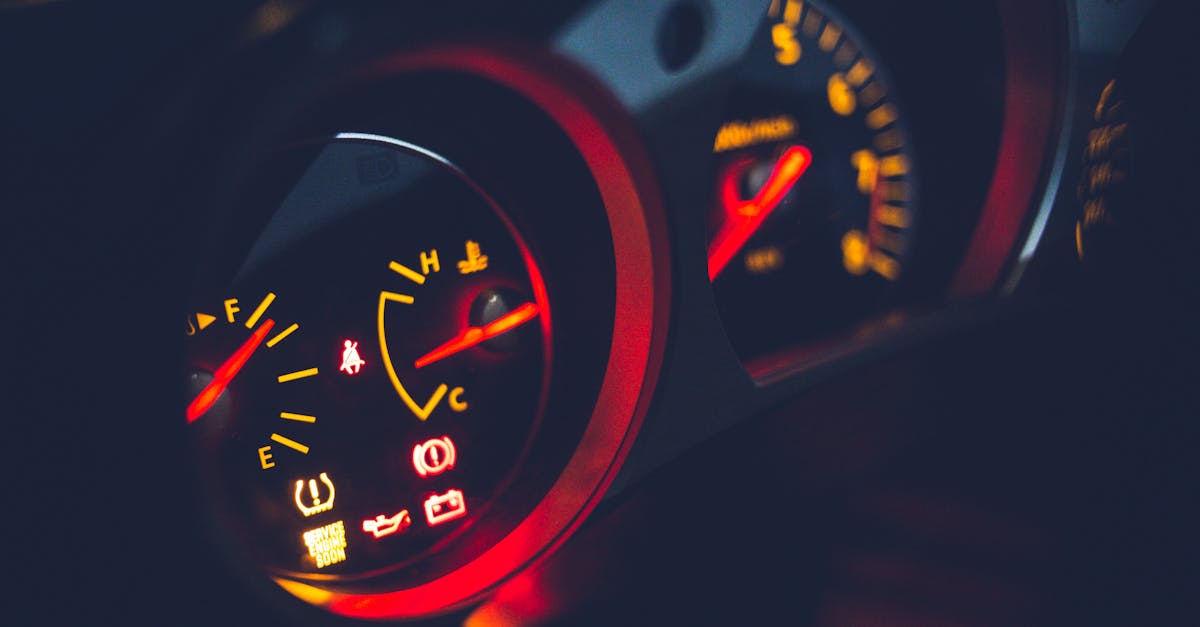
That yellow dashboard symbol shaped like a horseshoe with an exclamation point always seems to pop up right when the temperature drops. As crisp autumn mornings settle over Hamilton, many drivers notice this warning light flicking on during their early commute. The main culprit behind this seasonal dashboard alert is simply falling outdoor temperatures.
For every ten-degree drop in ambient temperature, your tires typically lose about one to two PSI of air pressure. When overnight frost hits areas like Hamilton Mountain and Stoney Creek, the air molecules inside your rubber contract and take up less space. If your tires were sitting right near the minimum recommended PSI during the warmer late summer months, that sudden morning chill pushes them below the safety threshold. That is why your vehicle's tire pressure monitoring system triggers the warning light as soon as you start the ignition.
How Cold Weather and Slow Leaks Interact
While temperature drops alone can trigger the warning light, cold weather often exposes hidden slow leaks that managed to stay sealed during milder weather. As the rubber stiffens in the cold, tiny bead leaks around the rim or small punctures from road debris can start releasing air much faster. If you pump your tires up to the proper door-sticker specification and the light returns the next day, you likely have a slow leak that needs professional attention. Ignoring this warning leads to uneven tread wear, reduced fuel economy, and handling issues on wet or frosty roads.
When you bring your vehicle to our shop, our team checks more than just the air inside the rubber. We inspect the physical condition of your wheels, rims, and TPMS sensors to ensure everything is functioning correctly. Corrosion on alloy rims can prevent the rubber bead from sealing tightly against the metal, leading to persistent air loss as the seasons change. If a sensor or valve stem is leaking, we fix it directly so you do not have to keep visiting the air pump every few days.
What to Check Before Visiting the Shop
Before heading in for service, you can take a few straightforward steps to diagnose the issue at home or at a local service station air pump. Always check your tire pressure when the rubber is cold, meaning the car has been parked for a few hours and has not been driven at highway speeds. Look at the sticker on the driver-side door jamb for the correct PSI numbers rather than reading the maximum limit printed on the tire sidewall. If one tire is significantly lower than the others, or if you spot a nail embedded in the tread, you may need a flat tire repair right away.
Keep in mind that if your dashboard light is flashing rather than staying solidly lit, it usually points to a fault within the monitoring system itself rather than just low air. This could mean a dead sensor battery or a damaged component that requires specialized diagnostic tools. Whether you need a simple top-up or professional help with mount and balance services, our team delivers Quality Tires and Unbeatable Prices without any runaround.
Frequently asked questions
Can I drive with the tire pressure warning light on?
You can drive short distances to get air, but you should check your pressures immediately before doing so. Driving on significantly underinflated rubber creates excessive heat, damages the internal structure, and ruins your fuel efficiency.
Why does the warning light go away after driving for a while?
As you drive, friction warms the air inside the tire, causing the air molecules to expand and raise the PSI back above the warning threshold. However, the pressure will drop again once the vehicle sits in the cold overnight.
Should I check my pressure more often in the fall?
Yes, because fluctuating autumn temperatures in Ancaster, Dundas, and Waterdown cause constant pressure changes. Checking your pressures once a month during the change of seasons prevents unexpected flat tires.
If your dashboard light refuses to stay off or you need help getting ready for the upcoming season, contact us to book a checkup. Call our shop directly at (905) 586-2626 and our straight-talking team will get your vehicle sorted out quickly.
Photo: Erik Mclean / Pexels
Questions about your tires?
Book a visit or call the shop.